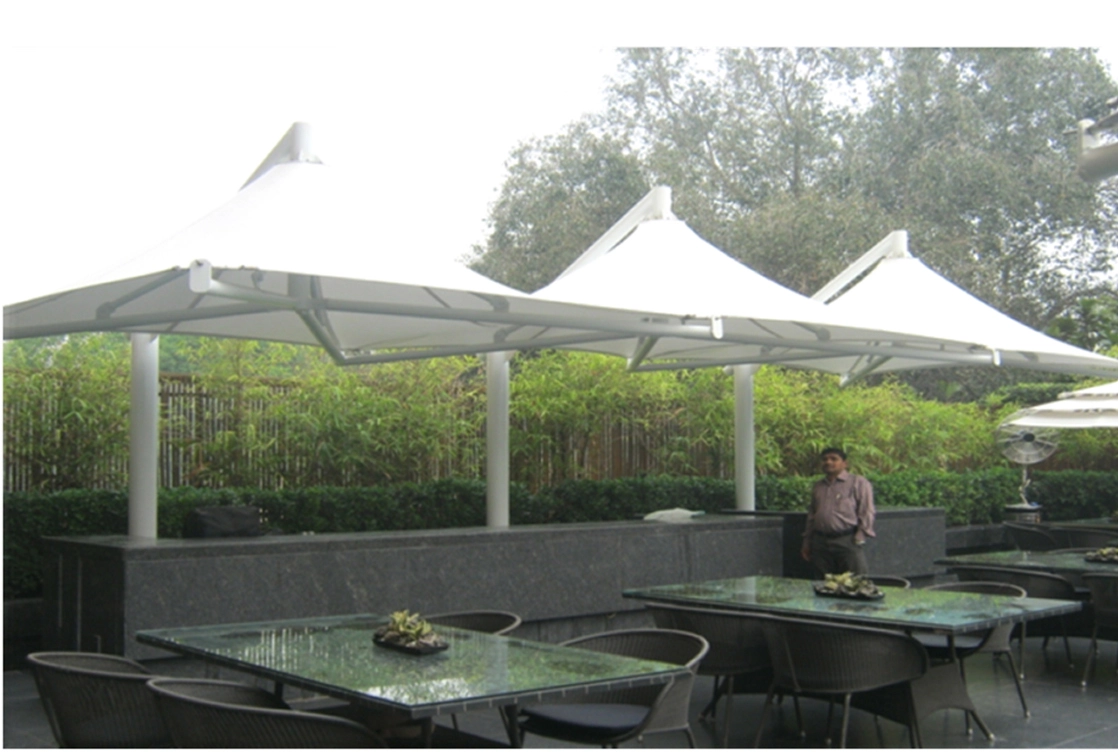
When was the last time you saw a big bridge being constructed wholly on-site? Maybe long ago. The tedious, often annoying, method of construction has now almost been completely replaced by prefabricated structures. The need to do it quick, sleek and without taking much space has forced people to look for alternative mode of constructions. Prefabrication is one of them. But the use of prefabricated structures in not limited to big bridges only. Nowadays they are being used in small constructions.
Prefabrication is a process in which a big structure is disunited into smaller ones and each unit is manufactured at different locations. Once designed they are transported, either wholly assembled or partially assembled, to its destination. The idea is to make the process more efficient, quality-controlled, and significantly faster. Think of it as assembling blocks—every piece perfectly fits together because it was designed with high precision in a controlled environment.
"Innovation in construction isn't just about building taller; it's about building smarter, faster, and more sustainably with prefabrication."
Why Choose Prefabricated Tensile Structures?
One of the main reasons architects and builders are gravitating toward prefabrication is the immense cost and time saving it offers. Weather delays are practically eliminated since the core components are constructed indoors. Furthermore, the material waste is significantly reduced. This aligns perfectly with modern sustainable building practices.
When combining prefabrication with tensile membrane materials (like PVC, PTFE, or ETFE), you get a lightweight yet incredibly robust structure. These structures can cover massive spans without the need for internal supporting columns, providing vast, unobstructed open spaces. They are ideal for sports arenas, large car parks, and outdoor exhibition spaces.